The first time I adjusted a Needle Valve, I turned the handle too quickly and completely missed the flow setting I needed. That’s the thing about a Needle Valve—it teaches patience whether you like it or not. Unlike larger shut-off valves that open with a quick turn, a Needle Valve is built for precision. Tiny adjustments make a noticeable difference, especially in instrumentation lines, gas systems, and pressure control setups. I remember working on a calibration panel where the pressure reading kept fluctuating. At first, everyone blamed the gauge. Turned out the issue was an old Needle Valve that couldn’t regulate flow smoothly anymore. Once it was replaced, the system settled down almost immediately. That experience stuck with me because it showed how something so small can quietly control the accuracy of an entire process. Beginners often underestimate a Needle Valve because it doesn’t look complicated, but in real-world applications, precision matters more than size. A properly selected Needle Valve can help operators control sensitive flow conditions without sudden pressure spikes or unstable readings.
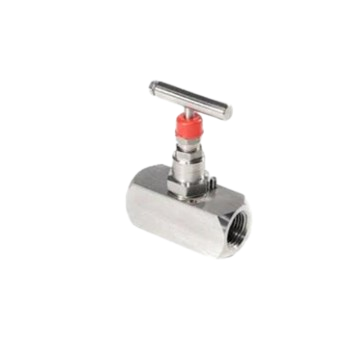
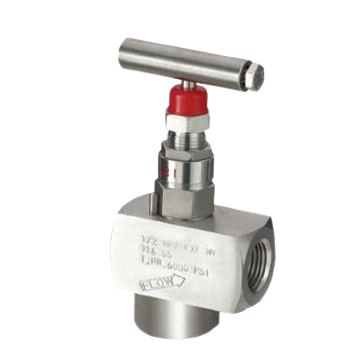
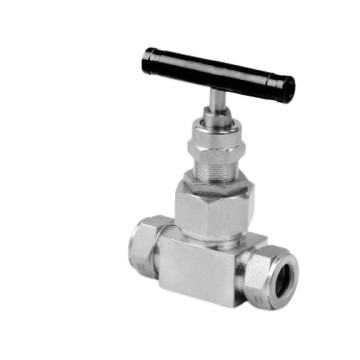
Needle Valve
High precision stainless steel needle valve designed for accurate flow regulation in high-pressure industrial applications.
Needle Valve
Technical Specifications
Detailed engineering specifications of our valve products
| Category | Specification Details |
|---|---|
| Valve Type | Instrumentation Needle Valve – Straight Pattern / Angle Pattern / Integral Bonnet |
| Design Standard | ASME B16.34 / MSS SP-99 / Manufacturer Standard |
| Face-to-Face Standard | Manufacturer Standard (Compact Instrumentation Design) |
| Flange Standard | Not Applicable (Instrumentation Type) |
| End Connections | Double Ferrule Compression, Tube OD, Male/Female NPT, BSP |
| Size Range | 1/8″ to 1″ (3 mm to 25 mm) |
| Pressure Rating | Up to 10,000 PSI (689 bar) depending on material |
| Body Material | SS316 / SS316L / Monel / Alloy Steel |
| Disc Material | SS316 / Hardened Stainless Steel |
| Stem Material | SS316 / SS316L |
| Seat Material | Metal Seat (Hardened Tip) |
| Seal / Packing | PTFE / Graphite / PEEK |
| Operation Type | Handwheel Operated (Multi-Turn) |
| Temperature Range | −54°C to +425°C |
| Working Medium | Instrument Air, Gas, Water, Hydraulic Oil, Chemical Fluids |
| Fire Safe Design | API 607 (Optional – Metal Seat Type) |
| Testing Standard | API 598 / Manufacturer Standard |
| Blow-Out Proof Stem | Provided |
| Anti-Static Device | Not required (Linear Stem Movement) |
| Mounting Pad | Not Applicable |
| Design Features | Precise Flow Control, Non-Rotating Stem Tip, Compact Body, Bubble-Tight Shut-Off |
| Applications | Instrumentation Tubing, Sampling Systems, Analyzer Panels, Pressure Gauges |
| Documentation | Datasheet, MTC EN 10204 3.1, Pressure Test Report, Compliance Certificates |
Best Needle Valves
At the same time, using a Best Needle Valves correctly takes a bit of understanding. It’s not designed for quick open-and-close operation, and forcing it too hard can damage the internal stem or seat over time. I’ve seen technicians crank down a Best Needle Valves thinking tighter always means better sealing, only to wear it out faster. There’s a balance to it. Stainless steel Needle Valve models are especially common in chemical plants and high-pressure systems because they handle corrosion better and last longer under demanding conditions. Another thing people notice is how smoothly a good Best Needle Valves responds when making small adjustments. In processes where even slight flow changes matter, that level of control gives operators confidence. But there’s also a practical side to it—if debris enters the line, even a high-quality Needle Valve can start losing accuracy. That’s why proper filtration and maintenance matter more than most beginners expect. Still, when installed in the right application, a Best Needle Valves becomes one of those components people rely on without thinking twice. It quietly handles precision work day after day, and honestly, that kind of dependable performance is hard not to appreciate once you’ve worked around industrial systems long enough.
"In industrial systems, a small leak can lead to big problems, that’s why sealing performance matters."
Key Features
Precision Control
Ensures accurate and smooth flow regulation.
High Pressure Resistance
Built for demanding industrial environments.
Leak Proof Design
Advanced sealing ensures zero leakage.
Corrosion Resistant
Made with premium stainless steel materials.