The first time you come across a check valve, it almost feels too simple to be important. There’s no handle, no lever—nothing to operate. It just sits there in the pipeline and does its job quietly. But don’t let that simplicity fool you. A check valve is designed to allow flow in one direction and instantly stop it from going the other way. I remember working on a small water system where someone decided to skip installing a Best check valve to cut costs. Everything ran smoothly—until the pump shut off. Within seconds, water rushed backward, hitting the system with a force that shook the entire line. That one missing Best check valves caused more damage than anyone expected. That’s when it clicks: this isn’t just a small fitting, it’s protection. And the best part? It works automatically. You don’t need to think about it. As long as it’s installed correctly, a check valve responds to pressure changes faster than any human could.
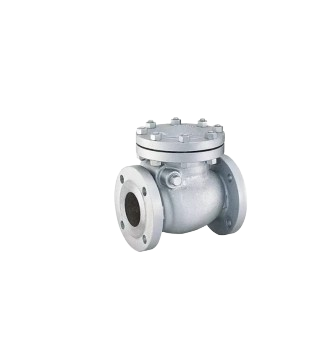
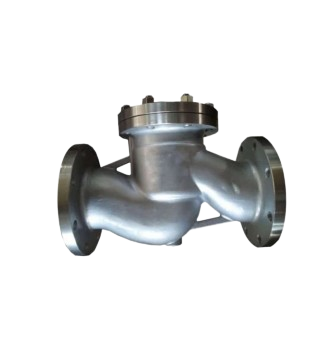
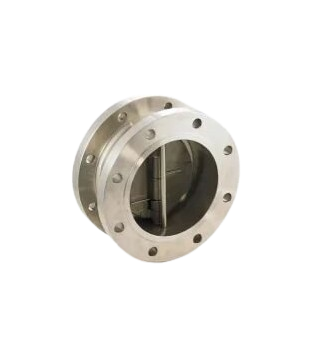
Check Valve
High precision stainless steel needle valve designed for accurate flow regulation in high-pressure industrial applications.
Check Valves
Technical Specifications
Detailed engineering specifications of our valve products
| Category | Specification Details |
|---|---|
| Valve Type | Swing Check Valve / Lift Check Valve / Dual Plate Check Valve / Wafer Type Check Valve |
| Design Standard | API 594 (Wafer & Dual Plate), API 6D, ASME B16.34, BS 1868 (Cast Steel) |
| Face-to-Face Standard | ASME B16.10 / API 594 (Compact Wafer Dimensions) |
| Flange Standard | ASME B16.5 (Class 150–2500), ASME B16.47 (Series A/B), DIN PN10–PN40 |
| End Connections | Flanged RF/RTJ, Wafer, Lug Type, Butt Weld (BW), Socket Weld (SW) |
| Size Range | ½″ to 48″ (DN15–DN1200) depending on type |
| Pressure Rating | ASME Class 150 / 300 / 600 / 900 / 1500 / 2500; PN10–PN40 |
| Body Material | ASTM A216 WCB, A351 CF8/CF8M, A105, A182 F304/F316, Duplex, Alloy Steel |
| Disc Material | SS304 / SS316 / Monel / Duplex |
| Seat Material | Metal Seat (13Cr / Stellite), Soft Seat (Viton / EPDM / PTFE) |
| Seal / Packing | PTFE, EPDM, Viton, Graphite (if high temperature) |
| Temperature Range | −29°C to +425°C (CS), up to 540°C (Alloy Steel, Metal Seat) |
| Working Medium | Water, Oil, Gas, Steam, Hydrocarbons, Chemical Fluids |
| Fire Safe Design | API 607 / ISO 10497 (Applicable for metal seated designs) |
| Testing Standard | API 598 / API 6D / ISO 5208 |
| Design Features | Low Pressure Drop, Quick Response, Non-Slam Design, Metal/Soft Seat, Wafer Compact Body |
| Applications | Oil & Gas Pipelines, Petrochemical, Chemical Plants, Water Supply, Steam Lines, Process Industries |
| Documentation | GA Drawing, MTC EN 10204 3.1, QAP, Hydrostatic Test Report, Compliance Certificates |
Best Check Valves
That said, a Best check valves isn’t perfect, and it doesn’t work the same in every situation. Flow conditions matter more than most beginners realize. If the pressure isn’t strong enough, the valve might not close properly, leading to slight backflow. I’ve seen cases where people blamed the valve, but the real issue was how the system was designed. There are also different types—swing, lift, and even spring-loaded check valves—and each behaves a little differently. Choosing the wrong one can create noise, vibration, or even wear over time. It’s one of those gray areas where experience plays a big role. Still, when used correctly, a Best check valves gives you something valuable: peace of mind. You know that even if something unexpected happens—like a sudden shutdown or pressure drop—the system won’t turn against itself. And honestly, in real-world operations, that kind of quiet reliability is worth a lot more than it seems at first glance.
"In industrial systems, a small leak can lead to big problems, that’s why sealing performance matters."
Key Features
Precision Control
Ensures accurate and smooth flow regulation.
High Pressure Resistance
Built for demanding industrial environments.
Leak Proof Design
Advanced sealing ensures zero leakage.
Corrosion Resistant
Made with premium stainless steel materials.