The first time I worked with an Instrumentation Ball Valve, I understood pretty quickly why technicians trust them so much in critical systems. These valves may look small compared to heavy industrial valves, but don’t underestimate them. In instrumentation lines where pressure readings, gas flow, or chemical sampling need accuracy, even a tiny leak can turn into a serious headache. I remember a refinery shutdown where a faulty connection caused unstable pressure readings for hours. The solution wasn’t complicated, it was replacing an old fitting with a properly installed Instrumentation Ball Valve. Suddenly, the readings stabilized, and the operators could finally trust the system again. That’s the thing about an Instrumentation Ball Valve: it’s designed for precision and tight shut-off, especially in high-pressure environments. Beginners often assume all ball valves work the same way, but an Instrumentation Ball Valve is built with more attention to sealing, durability, and compact installation. You’ll usually find them in oil and gas plants, chemical processing units, and instrumentation panels where reliability matters every single day.
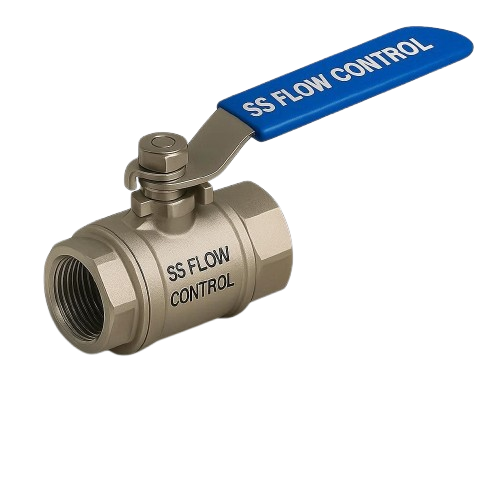
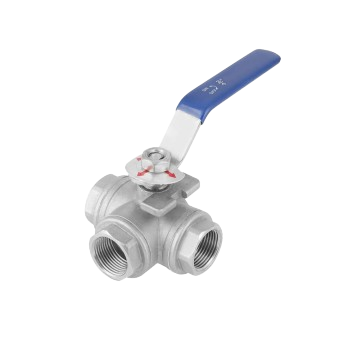
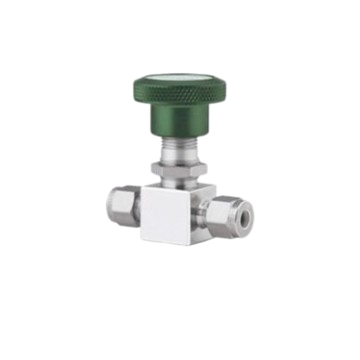
Instrumentation Ball Valve
High precision stainless steel needle valve designed for accurate flow regulation in high-pressure industrial applications.
Instrumentation Ball Valve
Technical Specifications
Detailed engineering specifications of our valve products
| Category | Specification Details |
|---|---|
| Valve Type | Instrumentation Ball Valve – 2-Way / 3-Way (L-Port / T-Port), Mini Ball Valve |
| Design Standard | ASME B16.34 / MSS SP-110 / Manufacturer Standard |
| Face-to-Face Standard | Manufacturer Standard (Compact Instrumentation Design) |
| Flange Standard | ASME B16.5 (for flanged type, if applicable) |
| End Connections | Compression (Double Ferrule), Tube OD, Female/Male NPT, BSP, Socket Weld |
| Size Range | 1/8″ to 1″ (3 mm to 25 mm) |
| Pressure Rating | Up to 6000 PSI (414 bar) depending on size and material |
| Body Material | SS316 / SS316L / Brass / Monel / Alloy Steel |
| Ball Material | SS316 / Hard Chrome-Plated SS |
| Stem Material | SS316 / SS316L |
| Seat Material | PTFE / PEEK / Reinforced PTFE |
| Seal / Packing | PTFE / Graphite (High-Temperature) |
| Operation Type | Quarter-Turn Lever Operated |
| Temperature Range | −54°C to +232°C (PTFE), up to 350°C (PEEK) |
| Working Medium | Air, Gas, Water, Hydraulic Oil, Chemical Fluids, Instrument Air |
| Fire Safe Design | API 607 (Optional – Metal Seated Type) |
| Testing Standard | API 598 / Manufacturer Standard |
| Blow-Out Proof Stem | Provided |
| Anti-Static Device | Provided |
| Mounting Pad | Not Applicable (Manual Operation) |
| Design Features | Compact Design, Low Torque, Bubble-Tight Shut-Off, Panel Mount Option, Lockable Handle |
| Applications | Instrumentation Lines, Sampling Systems, Analyzer Panels, Hydraulic & Pneumatic Systems |
| Documentation | Datasheet, MTC EN 10204 3.1, Pressure Test Report, Compliance Certificates |
Best Instrumentation Ball Valves
But like most industrial components, an Instrumentation Ball Valves has its own quirks. Yes, it’s reliable, but choosing the wrong material or pressure rating can create problems down the road. I’ve seen people install a standard brass valve in a corrosive environment just to save money, only to replace it months later after leakage started showing up. That’s why experienced engineers pay close attention to details like stainless steel grades, end connections, and pressure classes when selecting an Best Instrumentation Ball Valves. Another thing beginners notice is how compact these valves are. In crowded instrumentation panels where every inch matters, an Best Instrumentation Ball Valves fits neatly without making maintenance a nightmare. And honestly, that convenience matters more than people think when you’re troubleshooting systems in tight spaces at 2 a.m. Still, no valve is magic. If debris enters the line or the valve is forced beyond its pressure limits, even a high-quality Best Instrumentation Ball Valves can wear out over time. The key is understanding where it works best and treating it like a precision component instead of just another shut-off valve. That’s usually the difference between a system that runs smoothly for years and one that keeps causing trouble when you least expect it.
"In industrial systems, a small leak can lead to big problems, that’s why sealing performance matters."
Key Features
Precision Control
Ensures accurate and smooth flow regulation.
High Pressure Resistance
Built for demanding industrial environments.
Leak Proof Design
Advanced sealing ensures zero leakage.
Corrosion Resistant
Made with premium stainless steel materials.