The first time I came across a monoflange valve, I honestly thought it was just another compact valve with a fancy name. But after spending time on real industrial sites, I realized why so many engineers prefer it, especially in instrumentation systems where space is tight and safety matters every single day. A monoflange valve combines multiple functions into one compact body, which means fewer fittings, fewer connections, and fewer chances for leaks. Sounds simple, but on a crowded offshore platform or inside a packed instrumentation panel, that simplicity makes life a whole lot easier. I remember a maintenance engineer once saying, “Every extra fitting is another opportunity for trouble,” and he wasn’t wrong. By replacing traditional multi-valve assemblies with a monoflange valve, the system became cleaner, lighter, and much easier to maintain. For beginners, that’s one of the biggest advantages to understand—not every improvement in industrial design needs to look dramatic. Sometimes reducing weight, saving space, and cutting leak points is enough to make a huge difference.
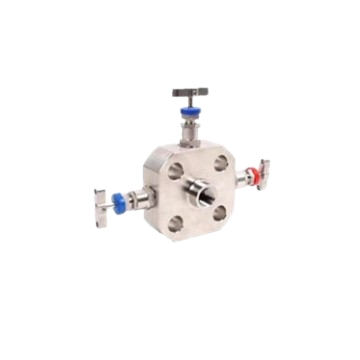
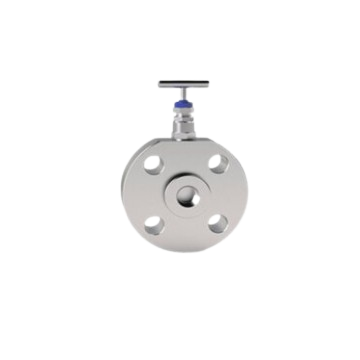
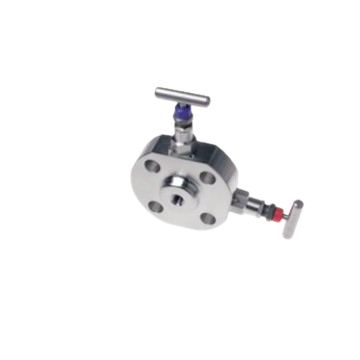
Monoflange Valve
High precision stainless steel needle valve designed for accurate flow regulation in high-pressure industrial applications.
Monoflange Valve
Technical Specifications
Detailed engineering specifications of our valve products
| Category | Specification Details |
|---|---|
| Valve Type | Instrumentation Monoflange Valve – Single Block / Double Block & Bleed |
| Design Standard | ASME B16.34 / MSS SP-99 / Manufacturer Standard |
| Face-to-Face Standard | Manufacturer Standard (Compact One-Piece Design) |
| Flange Standard | ASME B16.5 (Instrument Flange) |
| End Connections | Instrument Flange × NPT / BSP / Compression (Double Ferrule) |
| Size Range | ½″ Instrument Flange |
| Pressure Rating | ASME Class 300 / 600 / 900 / 1500 / 2500 |
| Body Material | SS316 / SS316L / Carbon Steel / Alloy Steel / Monel |
| Disc Material | SS316 / Hardened Stainless Steel |
| Stem Material | SS316 / SS316L |
| Seat Material | Metal Seat (Hardened Tip) |
| Seal / Packing | PTFE / Graphite / PEEK |
| Operation Type | Handwheel Operated (Multi-Turn) |
| Temperature Range | −54°C to +425°C |
| Working Medium | Instrument Air, Gas, Steam, Water, Chemical Fluids |
| Fire Safe Design | API 607 (Optional – Metal Seated Design) |
| Testing Standard | API 598 / Manufacturer Standard |
| Blow-Out Proof Stem | Provided |
| Anti-Static Device | Not Required |
| Mounting Pad | Direct Instrument Mounting |
| Design Features | One-Piece Compact Body, Reduced Leak Points, Block & Bleed Function, Space Saving |
| Applications | Pressure Transmitters, Flow Meters, Analyzer Panels, Instrument Isolation |
| Documentation | Datasheet, MTC EN 10204 3.1, Pressure & Leakage Test Report, Compliance Certificates |
Best Monoflange Valves
At the same time, a best monoflange valves isn’t automatically the right choice for every setup. I’ve seen projects where companies switched to a monoflange valve mainly to reduce installation time, but later realized the application needed a more customized arrangement. That’s the gray area people don’t always talk about. Yes, a Best monoflange valves can simplify piping systems, but selecting the correct pressure rating, material grade, and valve configuration still matters a lot. Stainless steel monoflange valve designs are popular in corrosive environments because they handle harsh conditions without constant maintenance. Another thing operators appreciate is how a Best monoflange valves reduces vibration issues caused by heavy traditional assemblies hanging off pipelines. That might sound like a small detail until you’ve dealt with cracked fittings caused by continuous movement over time. And honestly, that’s how industrial experience usually works—small design choices quietly prevent big problems later. A well-installed monoflange valve gives technicians easier access, cleaner layouts, and more confidence during maintenance work. It’s not flashy equipment, and most people outside the industry would never notice it. But for the people working around high-pressure systems every day, a reliable Best monoflange valves earns respect pretty quickly.
"In industrial systems, a small leak can lead to big problems, that’s why sealing performance matters."
Key Features
Precision Control
Ensures accurate and smooth flow regulation.
High Pressure Resistance
Built for demanding industrial environments.
Leak Proof Design
Advanced sealing ensures zero leakage.
Corrosion Resistant
Made with premium stainless steel materials.