The first time you work with a globe valve, you notice one thing right away—it’s not in a hurry. And that’s actually a good thing. A globe valve is built for control, not speed. Picture this: you’re on a site adjusting water flow to a cooling system. Open it too fast, and pressure spikes. Close it too quickly, and the system struggles. With a globe valve, you don’t have to guess. You turn the handwheel slowly, feel the resistance, and watch the flow respond. It’s almost like tuning a musical instrument—you make small adjustments until everything feels right. I’ve seen beginners get frustrated at first because it takes a few extra turns compared to other valves. But once they understand the level of control it offers, they don’t want to go back.
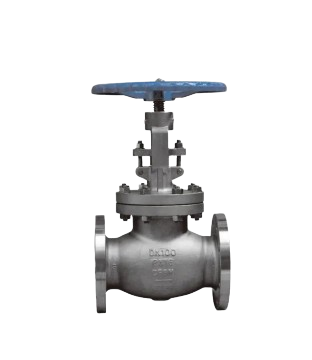
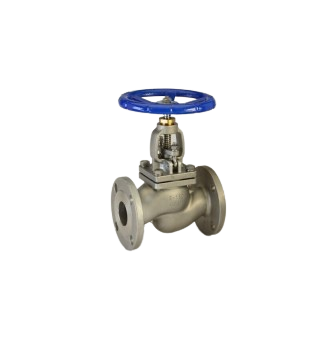
Globe Valve
High precision stainless steel needle valve designed for accurate flow regulation in high-pressure industrial applications.
Globe Valve
Technical Specifications
Detailed engineering specifications of our valve products
| Category | Specification Details |
|---|---|
| Valve Type | Globe Valve – Bolted Bonnet / Pressure Seal / Angle Type / Y-Pattern |
| Design Standard | ASME B16.34 / BS 1873 / API 623 |
| Face-to-Face Standard | ASME B16.10 |
| Flange Standard | ASME B16.5 (Class 150–2500), ASME B16.47 (Series A/B), DIN PN10–PN40 |
| End Connections | Flanged RF/RTJ, Butt Weld (BW), Socket Weld (SW), Screwed NPT/BSP |
| Size Range | ½″ to 24″ (DN15–DN600) |
| Pressure Rating | ASME Class 150 / 300 / 600 / 900 / 1500 / 2500; PN16–PN40 |
| Body Material | ASTM A216 WCB, A105, A351 CF8/CF8M, A182 F304/F316, Duplex / Alloy Steel |
| Trim Material | SS304 / SS316 / Monel / Stellite Hardfaced Disc |
| Stem Material | SS304 / SS316 / Alloy Steel / Monel |
| Seat Material | Renewable / Integral Seat, Stellite Hardfaced Seat, SS316 |
| Seal / Packing | Graphite, PTFE, RPTFE, Flexible Graphite |
| Operation Type | Handwheel, Gear Operated, Electric Actuator, Pneumatic Actuator |
| Temperature Range | −29°C to +425°C (Carbon Steel), up to 540°C (Alloy Steel / Stellite Trim) |
| Working Medium | Steam, Water, Air, Oil, Gas, Chemical Fluids, High-Temperature Media |
| Fire Safe Design | API 607 / ISO 10497 (if required) |
| Testing Standard | API 598 / ISO 5208 |
| Blow-Out Proof Stem | Provided as per design standards |
| Mounting Pad | ISO 5211 (For Actuated Globe Valves) |
| Design Features | Linear Flow Control, Renewable Trim, Stellite Seating, Back-Seat Design, Tight Shut-Off |
| Applications | Steam Lines, Refinery, Petrochemical, Chemical Plants, Power Plants, Water Treatment |
| Documentation | GA Drawing, MTC EN10204 3.1, QAP, Hydrostatic Test Report, Compliance Certificates |
Best Globe Valves
Now, here’s the part people don’t always talk about. A Best globe valves isn’t perfect, and it’s not meant for every job. Because of its design, the flow path changes direction inside the valve, which creates more resistance. That means pressure drop is higher compared to simpler valves. In some systems, that’s acceptable. In others, it’s a dealbreaker. I’ve worked on lines where engineers debated whether to use a globe valve or switch to something more direct. There’s always a bit of back and forth it’s rarely a clear yes or no. Still, when precise flow control matters, a globe valve earns its place. It gives operators confidence, especially in processes where even a small change in flow can have a big impact. And honestly, that sense of control, knowing you can adjust things just right is what makes it such a reliable choice in the long run.
"In industrial systems, a small leak can lead to big problems, that’s why sealing performance matters."
And since Best globe valves have fewer moving parts, there’s less that can go wrong over time. This simplicity is exactly what makes them a go-to solution across industries.
Key Features
Precision Control
Ensures accurate and smooth flow regulation.
High Pressure Resistance
Built for demanding industrial environments.
Leak Proof Design
Advanced sealing ensures zero leakage.
Corrosion Resistant
Made with premium stainless steel materials.