The first time I handled a Gauge Valve, I underestimated how important such a small component could be. It looked simple enough—compact body, small handle, straightforward connection. But after working around pressure gauges and instrumentation systems for years, I learned that a Gauge Valve does much more than just open or close flow. It protects pressure gauges from sudden pressure surges, isolates instruments during maintenance, and gives technicians better control during calibration work. I remember a situation at a processing plant where a pressure gauge failed because the line pressure hit too fast during startup. Beginners often focus on larger valves because they look more impressive, but experienced engineers know small instrumentation components like a Gauge Valve can have a huge impact on system safety and accuracy.
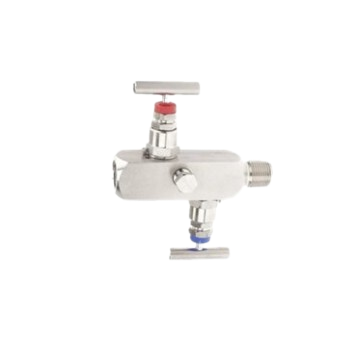
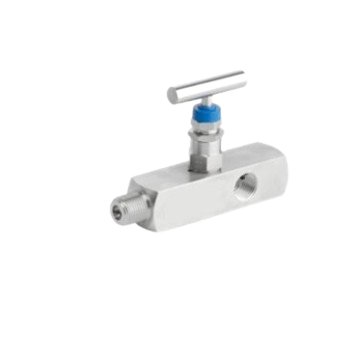
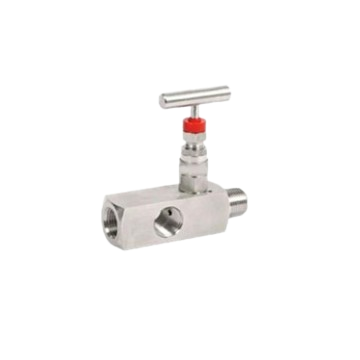
Gauge Valve
High precision stainless steel needle valve designed for accurate flow regulation in high-pressure industrial applications.
SS Flow Control Manufacturer Gauge Valve
Technical Specifications
Detailed engineering specifications of our valve products
| Category | Specification Details |
|---|---|
| Valve Type | Instrumentation Gauge Valve – Needle Type / Piston Type |
| Design Standard | ASME B16.34 / MSS SP-99 / Manufacturer Standard |
| Face-to-Face Standard | Manufacturer Standard (Compact Instrumentation Design) |
| Flange Standard | ASME B16.5 (for flanged gauge valves, if applicable) |
| End Connections | Male/Female NPT, BSP, Compression (Double Ferrule) |
| Size Range | ¼″ to ½″ (6 mm to 15 mm) |
| Pressure Rating | Up to 6,000 PSI (414 bar), optional up to 10,000 PSI |
| Body Material | SS316 / SS316L / Carbon Steel / Monel |
| Disc Material | SS316 / Hardened Stainless Steel |
| Stem Material | SS316 / SS316L |
| Seat Material | Metal Seat (Hardened Tip) |
| Seal / Packing | PTFE / Graphite / PEEK |
| Operation Type | Handwheel Operated (Multi-Turn) |
| Temperature Range | −54°C to +425°C |
| Working Medium | Instrument Air, Gas, Water, Steam, Hydraulic Oil, Chemical Fluids |
| Fire Safe Design | API 607 (Optional – Metal Seated Design) |
| Testing Standard | API 598 / Manufacturer Standard |
| Blow-Out Proof Stem | Provided |
| Anti-Static Device | Not required (Linear Stem Movement) |
| Mounting Pad | Not Applicable |
| Design Features | Gauge Isolation, Compact Body, Fine Flow Control, Panel Mount Option |
| Applications | Pressure Gauges, Pressure Transmitters, Sampling & Vent Lines |
| Documentation | Datasheet, MTC EN 10204 3.1, Pressure Test Report, Compliance Certificates |
Best Gauge Valves
At the same time, not every Gauge Valve performs the same way. Material quality, pressure rating, and installation method all matter more than people realize. I’ve seen cheap Best Gauge Valves units corrode in harsh environments far earlier than expected, especially in chemical processing systems where moisture and aggressive media are involved. Stainless steel Best Gauge Valves models usually hold up much better, but even then, proper installation is critical. Overtightening fittings or forcing the valve handle can create leaks that slowly turn into maintenance headaches later on. Another thing beginners notice is how precise a Best Gauge Valves feels during operation. Unlike large industrial valves designed for bulk flow, a Best Gauge Valves is built for controlled, accurate adjustment around sensitive instruments. That precision becomes incredibly valuable when technicians are troubleshooting fluctuating pressure readings or isolating equipment safely. Still, there’s always a balance.
"In industrial systems, a small leak can lead to big problems, that’s why sealing performance matters."
Key Features
Precision Control
Ensures accurate and smooth flow regulation.
High Pressure Resistance
Built for demanding industrial environments.
Leak Proof Design
Advanced sealing ensures zero leakage.
Corrosion Resistant
Made with premium stainless steel materials.