The first time I worked with a Manifold Valve, I’ll be honest—I thought it was more complicated than it actually was. There were multiple valve handles packed into one compact assembly, and for a beginner, it looked intimidating at first glance. But after spending time around pressure transmitters and instrumentation systems, I realized why a Manifold Valve is such a practical piece of equipment. Instead of installing several separate valves and fittings, a Manifold Valve combines functions into one unit, making the system cleaner and easier to manage. I remember a technician once joking, “Less piping, fewer headaches,” and that pretty much sums it up. In pressure measurement applications, especially in oil and gas plants, a Manifold Valve helps isolate, equalize, and vent pressure safely during calibration or maintenance. That matters more than people think. When you’re troubleshooting a live system, having a properly installed Manifold Valve can save time, reduce leak points, and make maintenance work far less stressful.
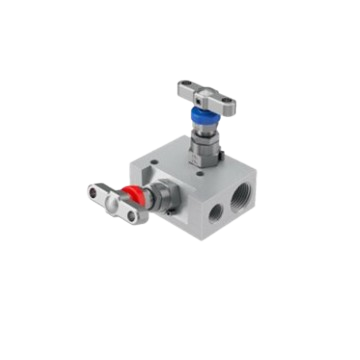
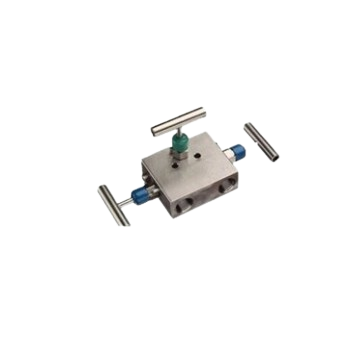
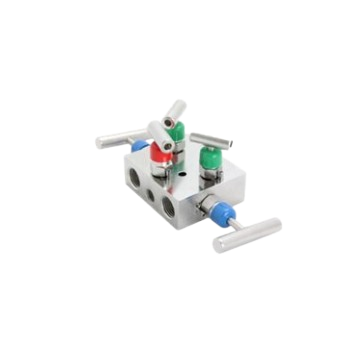
Manifold Valve
High precision stainless steel needle valve designed for accurate flow regulation in high-pressure industrial applications.
SS Flow Control Manufacture Manifold Valve
Technical Specifications
Detailed engineering specifications of our valve products
| Category | Specification Details |
|---|---|
| Valve Type | Instrumentation Manifold Valve – 2-Way / 3-Way / 5-Way (Block, Equalize & Vent) |
| Design Standard | ASME B16.34 / MSS SP-99 / Manufacturer Standard |
| Face-to-Face Standard | Manufacturer Standard (Compact Manifold Design) |
| Flange Standard | ASME B16.5 (For Flanged Manifold, if applicable) |
| End Connections | Threaded NPT/BSP, Compression (Double Ferrule), Instrument Flange |
| Size Range | 1/8″ to ½″ (3 mm to 15 mm) |
| Pressure Rating | Up to 6,000 PSI (414 bar), Optional up to 10,000 PSI |
| Body Material | SS316 / SS316L / Carbon Steel / Monel / Alloy Steel |
| Disc Material | SS316 / Hardened Stainless Steel |
| Stem Material | SS316 / SS316L |
| Seat Material | Metal Seat (Hardened Tip) |
| Seal / Packing | PTFE / Graphite / PEEK |
| Operation Type | Handwheel Operated (Multi-Turn) |
| Temperature Range | −54°C to +425°C |
| Working Medium | Instrument Air, Gas, Water, Steam, Hydraulic Oil, Chemical Fluids |
| Fire Safe Design | API 607 (Optional – Metal Seated Design) |
| Testing Standard | API 598 / Manufacturer Standard |
| Blow-Out Proof Stem | Provided |
| Anti-Static Device | Not Required (Linear Stem Design) |
| Mounting Pad | Direct Instrument Mounting (No ISO Pad) |
| Design Features | Compact One-Piece Body, Block & Bleed / Equalization Function, Low Leakage, Panel Mount Option |
| Applications | Differential Pressure Transmitters, Flow Meters, Pressure Gauges, Analyzer Panels |
| Documentation | Datasheet, MTC EN 10204 3.1, Pressure & Leakage Test Report, Compliance Certificates |
Best Manifold Valves
At the same time, a Manifold Valves isn’t something you choose casually. Different applications require different configurations, 2-way, 3-way, or even 5-way setups and picking the wrong one can create unnecessary complications. I’ve seen beginners assume every Best Manifold Valves works the same way, only to struggle during installation because the process connection didn’t match the system requirements. That’s one of those details you learn through experience. Another thing worth mentioning is space. In crowded instrumentation panels where tubing, gauges, and transmitters are already fighting for room, a compact Best Manifold Valves makes a noticeable difference. Stainless steel Manifold Valve designs are especially common because they hold up well in corrosive environments and high-pressure conditions. But like most industrial components, maintenance still matters. Dirt, improper tightening, or poor installation can cause leakage over time, even with a high-quality Best Manifold Valves. And honestly, that’s the reality of industrial systems, there’s no such thing as “install it and forget it forever.” Still, when selected correctly and maintained properly, a Best Manifold Valves quietly becomes one of the most dependable parts of the setup. Operators trust it because it simplifies complicated processes without creating extra problems, and in this industry, that kind of reliability speaks for itself.
"In industrial systems, a small leak can lead to big problems, that’s why sealing performance matters."
Key Features
Precision Control
Ensures accurate and smooth flow regulation.
High Pressure Resistance
Built for demanding industrial environments.
Leak Proof Design
Advanced sealing ensures zero leakage.
Corrosion Resistant
Made with premium stainless steel materials.