The first time I worked with an Instrumentation Double Block & Bleed Valve, I understood why experienced engineers take isolation so seriously. On paper, it sounds simple—two sealing points with a bleed section in between. But when you’re standing beside a live pressure line carrying hazardous gas, that extra level of protection suddenly feels a lot more important. I remember a maintenance shutdown at a processing plant where technicians needed to replace a pressure transmitter without stopping the entire system. A properly installed Instrumentation Double Block & Bleed Valve made that possible. The line was isolated, trapped pressure was released safely, and the team could work without second-guessing whether fluid was still leaking through. That’s the real value of an Instrumentation Double Block & Bleed Valve. It gives operators confidence in situations where “probably safe” simply isn’t good enough. Beginners often think these valves are only used in massive oil and gas facilities, but they’re also common in compact instrumentation systems where precision and safety go hand in hand.
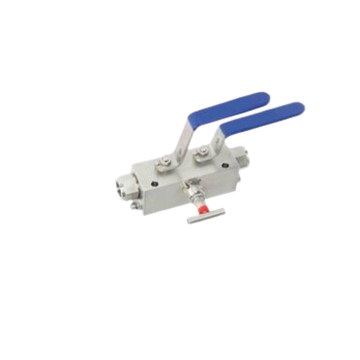
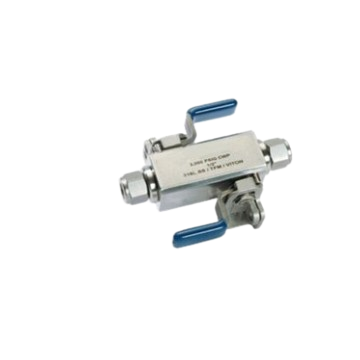
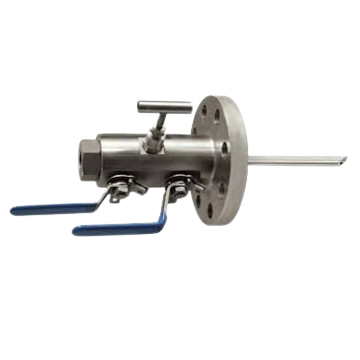
Instrumentation Double Block & Bleed Valve
High precision stainless steel needle valve designed for accurate flow regulation in high-pressure industrial applications.
Instrumentation Double Block & Bleed Valves DBB
Technical Specifications
Detailed engineering specifications of our valve products
| Category | Specification Details |
|---|---|
| Valve Type | Instrumentation DBB (Double Block & Bleed) / SBB (Single Block & Bleed) / Injection Quill Valve |
| Design Standard | ASME B16.34 / MSS SP-99 / Manufacturer Standard |
| Face-to-Face Standard | Manufacturer Standard (Compact Instrumentation Design) |
| Flange Standard | ASME B16.5 (For Injection Quill / Flanged Type, if applicable) |
| End Connections | NPT / BSP, Compression (Double Ferrule), Instrument Flange |
| Size Range | 1/2″ to 2″ (15 mm to 50 mm) |
| Pressure Rating | Up to 6,000 PSI (414 bar), Optional up to 10,000 PSI |
| Body Material | SS316 / SS316L / Carbon Steel / Alloy Steel / Monel |
| Disc Material | SS316 / Hardened Stainless Steel |
| Stem Material | SS316 / SS316L |
| Seat Material | Metal Seat (Hardened Tip) |
| Seal / Packing | PTFE / Graphite / PEEK |
| Operation Type | Handwheel Operated (Multi-Turn) |
| Temperature Range | −54°C to +425°C |
| Working Medium | Instrument Air, Gas, Water, Steam, Chemical Injection Fluids |
| Fire Safe Design | API 607 (Optional – Metal Seated Design) |
| Testing Standard | API 598 / Manufacturer Standard |
| Blow-Out Proof Stem | Provided |
| Anti-Static Device | Not Required (Linear Stem Design) |
| Mounting Pad | Direct Instrument / Pipe Mounting |
| Design Features | Compact Block & Bleed, Injection Quill with Non-Return Function, Reduced Leak Paths, Space Saving |
| Applications | Chemical Injection Systems, Sampling Lines, Analyzer Panels, Instrument Isolation |
| Documentation | Datasheet, MTC EN 10204 3.1, Pressure & Leakage Test Report, Compliance Certificates |
Best Instrumentation Double Block and Bleed Valves DBB
At the same time, an Instrumentation Double Block & Bleed Valve isn’t something you install blindly everywhere. I’ve seen projects where people added them to every line just because it sounded safer, but that approach can increase cost, weight, and maintenance complexity. There’s always a balance. In critical applications, though, an Instrumentation Double Block & Bleed Valve earns its place very quickly. It reduces leak paths, minimizes downtime, and makes maintenance work less stressful for technicians dealing with high-pressure systems. Another thing beginners notice is how compact modern Instrumentation Double Block & Bleed Valve designs have become. Older setups often needed multiple fittings and separate valves, taking up valuable panel space. Now, a single integrated Instrumentation Double Block & Bleed Valve can handle the same job more cleanly and efficiently. Still, even the best valve won’t perform properly if the material selection is wrong or installation is careless. I’ve seen stainless steel valves last for years in corrosive environments, while cheaper alternatives struggled much sooner. That’s why experienced professionals pay attention to details instead of assuming every valve performs the same. In real industrial work, small decisions around an Instrumentation Double Block & Bleed Valve can make a huge difference when pressure, safety, and reliability are all on the line.
"In industrial systems, a small leak can lead to big problems, that’s why sealing performance matters."
Key Features
Precision Control
Ensures accurate and smooth flow regulation.
High Pressure Resistance
Built for demanding industrial environments.
Leak Proof Design
Advanced sealing ensures zero leakage.
Corrosion Resistant
Made with premium stainless steel materials.